Strategies of Genius 1
World premiere · June 11–13, 2027
Click Edit text, then click any text on the page. Drafts stay in this browser. Download changes and send the JSON file to Sasha. Nothing is published automatically.

The Way to Create a Successful Future
Explore how exceptional thinkers observe, imagine, and create. Discover how to apply their strategies to a challenge of your own.
“What is the difference that makes the difference?”
From Robert Dilts’s Strategies of Genius masterclass slides
World premiere · June 11–13, 2027
Details to be announced
Details to be announced
12 Geniuses · 3 Parts · Your Path
Video coming soon
“So all life is a great chain, the nature of which is known whenever we are shown a single link of it.”
Sherlock Holmes · Arthur Conan Doyle
Drawings by Robert Dilts · From across the Strategies of Genius series
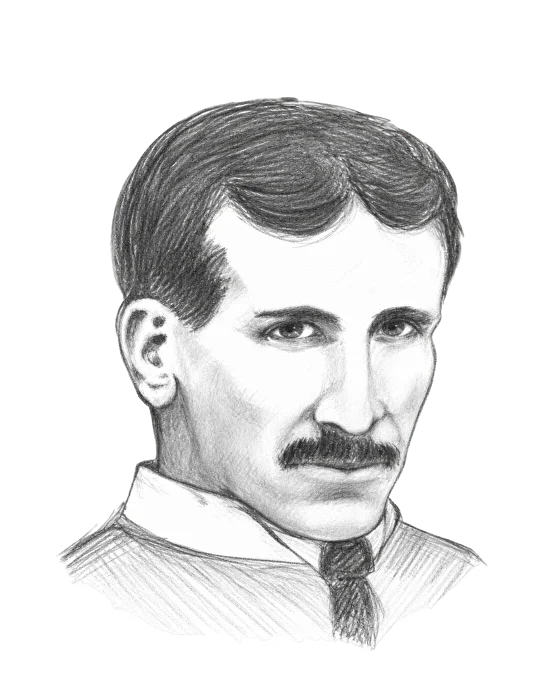
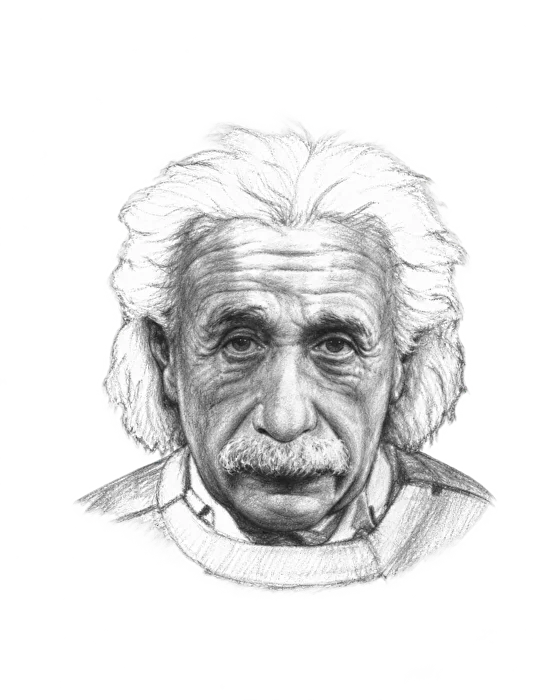
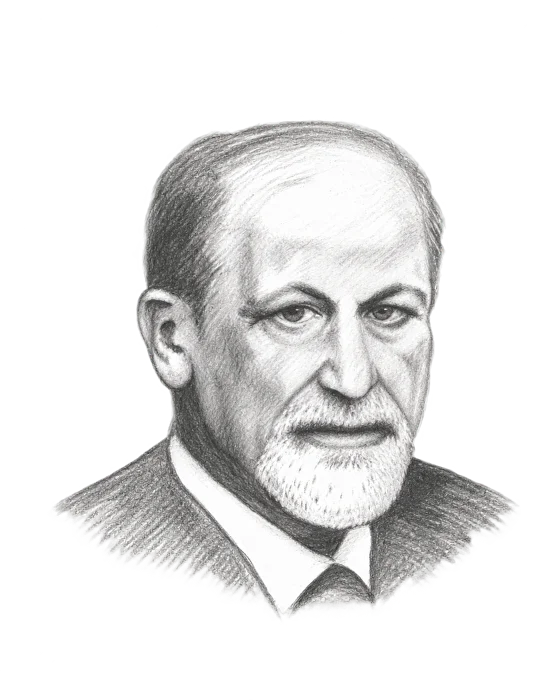
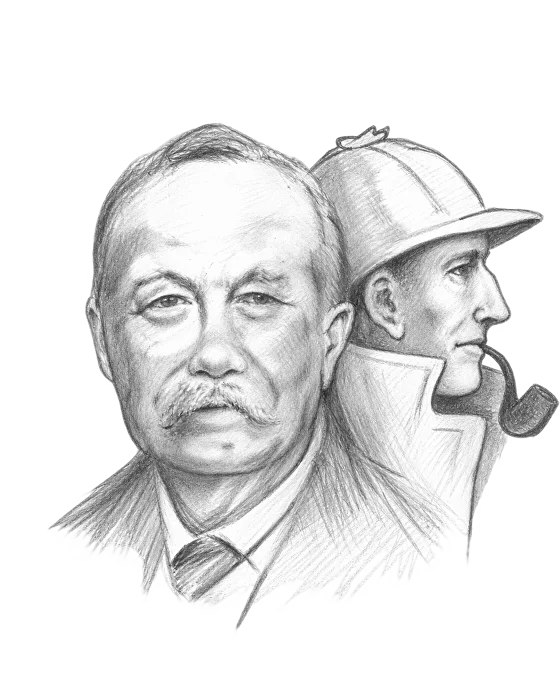
In NLP, a strategy is a “sequence of internal representational activity that leads to a behavioral outcome.”
Behavioral modeling examines the processes behind an exceptional performance. It breaks a complex activity into smaller steps and identifies elements of thought and action that contribute to the outcome. These elements can then be explored, practiced, and applied in another setting.
Look at the assumptions and conditions that keep producing the same result.
Use close observation and deduction to connect details that seem unrelated.
Explore one idea as a Dreamer, a Realist, and a Critic. Give each perspective its own turn.
Hold the shape of a creative idea in mind while refining the parts that bring it to life.
Four examples from Robert Dilts’s Strategies of Genius, Volume I.
How does an idea become something that changes the world around it? In Strategies of Genius, Robert explores the thinking behind the emergence of an idea, its expression in the world, and the process of evaluating and refining it.
Allow an idea to take shape. Explore possibilities in your imagination and develop a clearer sense of what you want to create.
Connect the larger picture with concrete actions. Consider the steps, resources, and relationships that can help bring an idea into the world.
Observe the result, gather feedback, and improve the next version. Each cycle can reveal new possibilities for the idea itself.
Have you ever dismissed an idea before you had time to explore it? Or found yourself full of possibilities, with no clear way to begin?
Robert’s model of Disney’s creative process brings together three perspectives — the Dreamer, the Realist, and the Critic. Each contributes something different. The way they interact can determine whether an idea develops or gets caught in an internal argument.
Give the dream space to grow, build a workable plan, and then examine how that plan could be improved.
Imagine possibilities and explore the larger vision. Give yourself room to see what could become possible.
Develop the steps and practical conditions that would help turn the vision into something you can act on.
Examine the plan, identify what is missing, and use that information to strengthen its chances of working.
A strategy describes a process of thinking. Robert’s modeling work explores how elements of that process can be learned and applied in other settings. The questions behind a composer’s creative process or a filmmaker’s planning can open possibilities for a challenge of your own.
Move between the overall shape of an idea and the details that give it life. Explore how the parts contribute to the whole.
Examine causes, assumptions, and relationships. Try a different way of defining the problem and notice what becomes visible.
Develop a vision, consider its implementation, and review the plan from several perspectives.
Look through another person’s eyes. Consider what they notice, what matters to them, and how they might experience the outcome.
Examples of applications drawn from Robert Dilts’s Strategies of Genius.
Bring a goal, an unfinished idea, or a question you would like to explore. Use the prompts below to consider its possibilities, the steps ahead, and the wider system you are part of.
“What do you love that you can offer in service to others?”Robert Dilts · Strategies of Genius masterclass slides
What is your dream of success? Give yourself time to imagine the outcome and what it would mean to you.
What are the key steps to your successful future? Move from the overall vision to actions you can begin to consider.
What words, image, gesture, and feeling express that future? What metaphor captures the state you want to create?
What resources are available in the larger system you are part of? Consider the people, relationships, and support around you.
Who or what could be affected by your success? Consider both positive and negative effects from different points of view.
What challenges have you faced, or are you facing now? What can you learn from them as you consider your next steps?
February 24, 2027 · 8 pm CET
Registration details coming soon.
Explore the ideas behind Strategies of Genius.
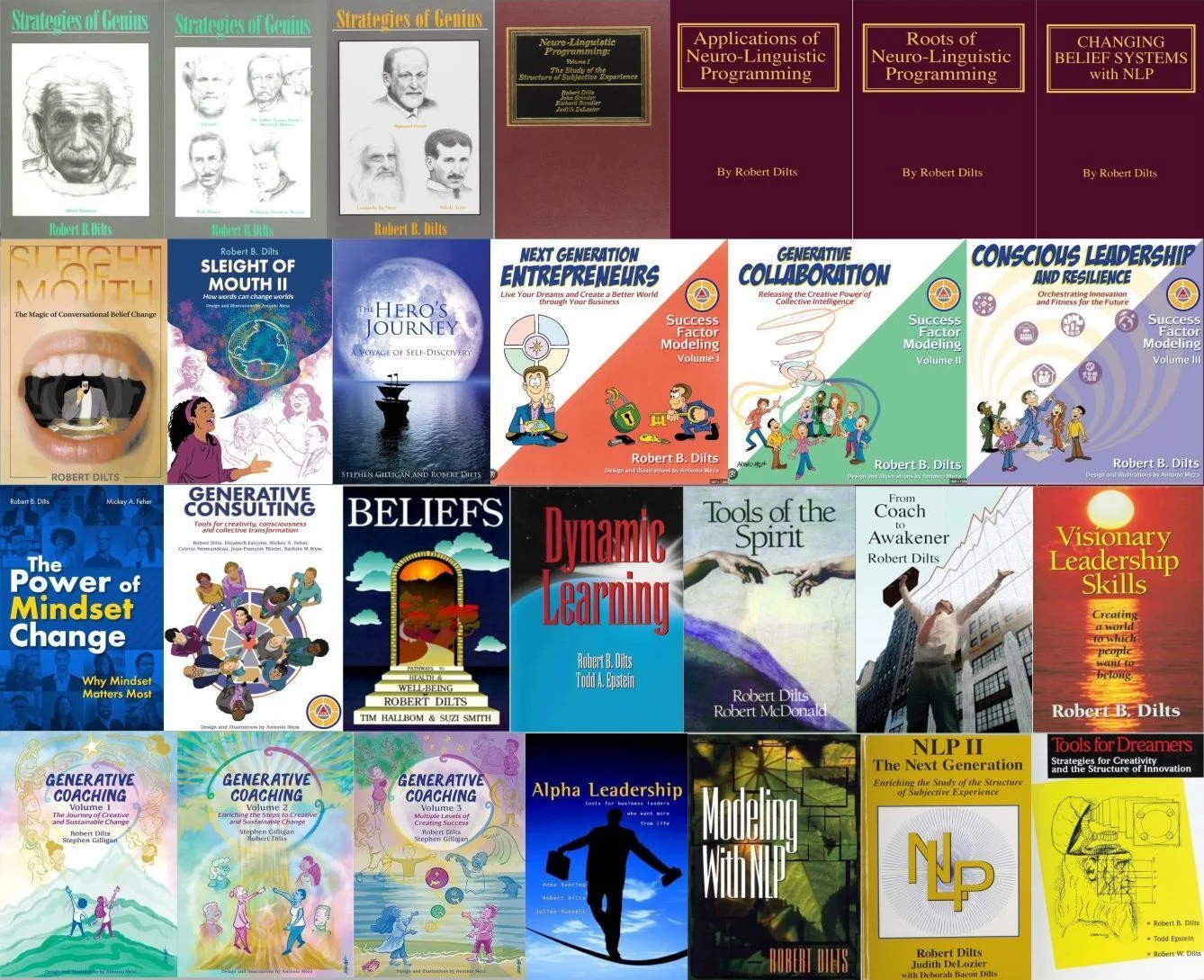

With a gift for recognizing patterns and developing models, Robert Dilts’ discoveries and contributions to the NLP field are legendary—from eye-accessing cues and reimprinting to ethical entrepreneurship, health and healing, accelerated learning, NLP coaching, personal growth, and more.

Robert will explain and demonstrate the ideas clearly and from multiple perspectives.
Explore ways to apply the strategies to real-life goals.
Demonstration details to be announced.
Group and networking details to be announced.
Access details to be announced.
Certificate details to be announced.
Package inclusions will be confirmed before registration opens.
June 11–13, 2027 · Live online in English
Price and package details · To be announced